Now in Beta-testing on invite only

How Engagement Leads to Measurable Energy Savings
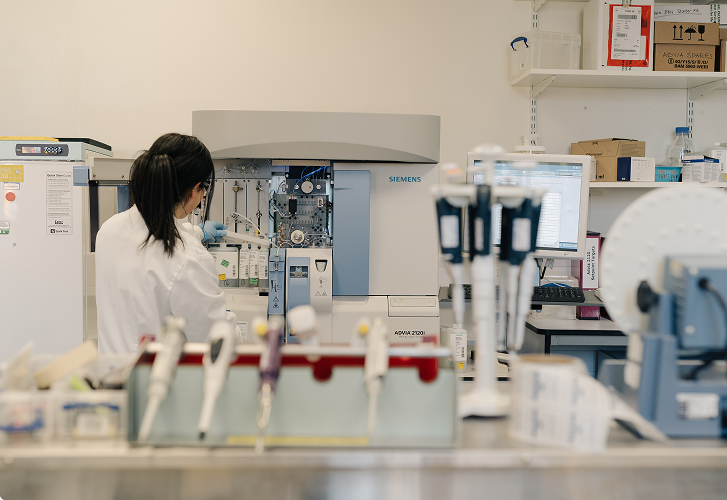
Laboratories are among the most energy-intensive spaces in universities due to the continuous operation of specialized equipment, ventilation systems, and ultra-low temperature freezers. As part of its Climate Strategy, the University of Basel has committed to reducing greenhouse gas emissions from electricity use by 25% by 2030, while also meeting external requirements for continuous improvements in energy efficiency. To explore how behavioral and operational changes could contribute to these goals without compromising scientific excellence, the University's Building Technology & Operations unit and Sustainability Office launched the Electricity Saving Challenge in November 2024. The initiative engaged research groups from the Biozentrum and the Department of Physics in a month-long campaign to identify practical opportunities for reducing laboratory electricity consumption while maintaining normal research activities.

Low-Cost Sensor Logging for Sustainable Laboratory Monitoring
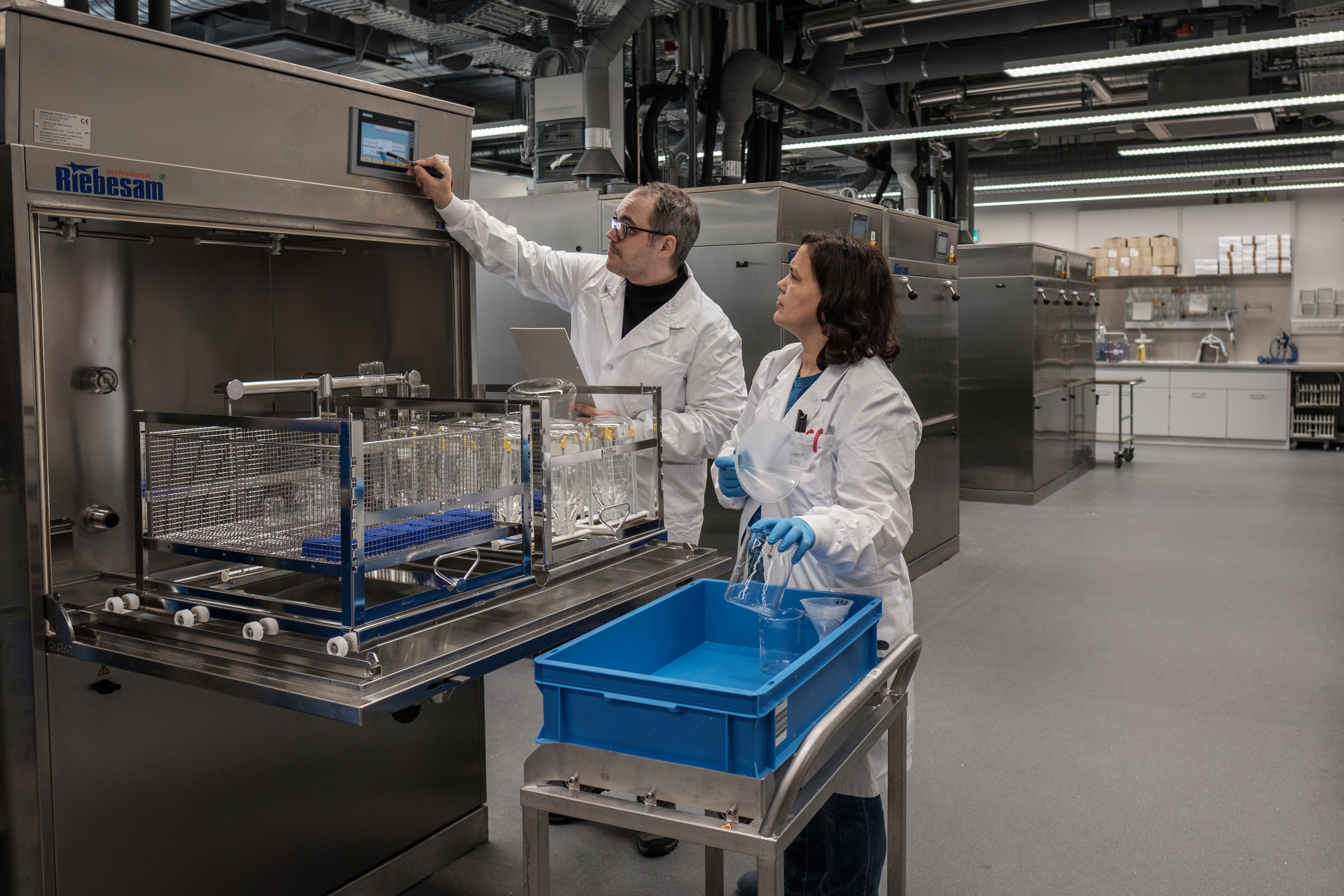
Chemistry laboratories contain significant amounts of expensive, energy-intensive, and water-hungry equipment, yet the conditions under which they operate are rarely monitored in any systematic way. Without data on water usage, energy consumption, or environmental conditions, it is very difficult to identify where savings can be made. Most existing solutions either require specialist technical knowledge to set up, or involve purchasing expensive proprietary systems. This project set out to show that low-cost, consumer-grade sensors combined with open-source software could provide a practical and accessible alternative for any chemistry research group.
The Technical Sustainability Champions Network (TSC)
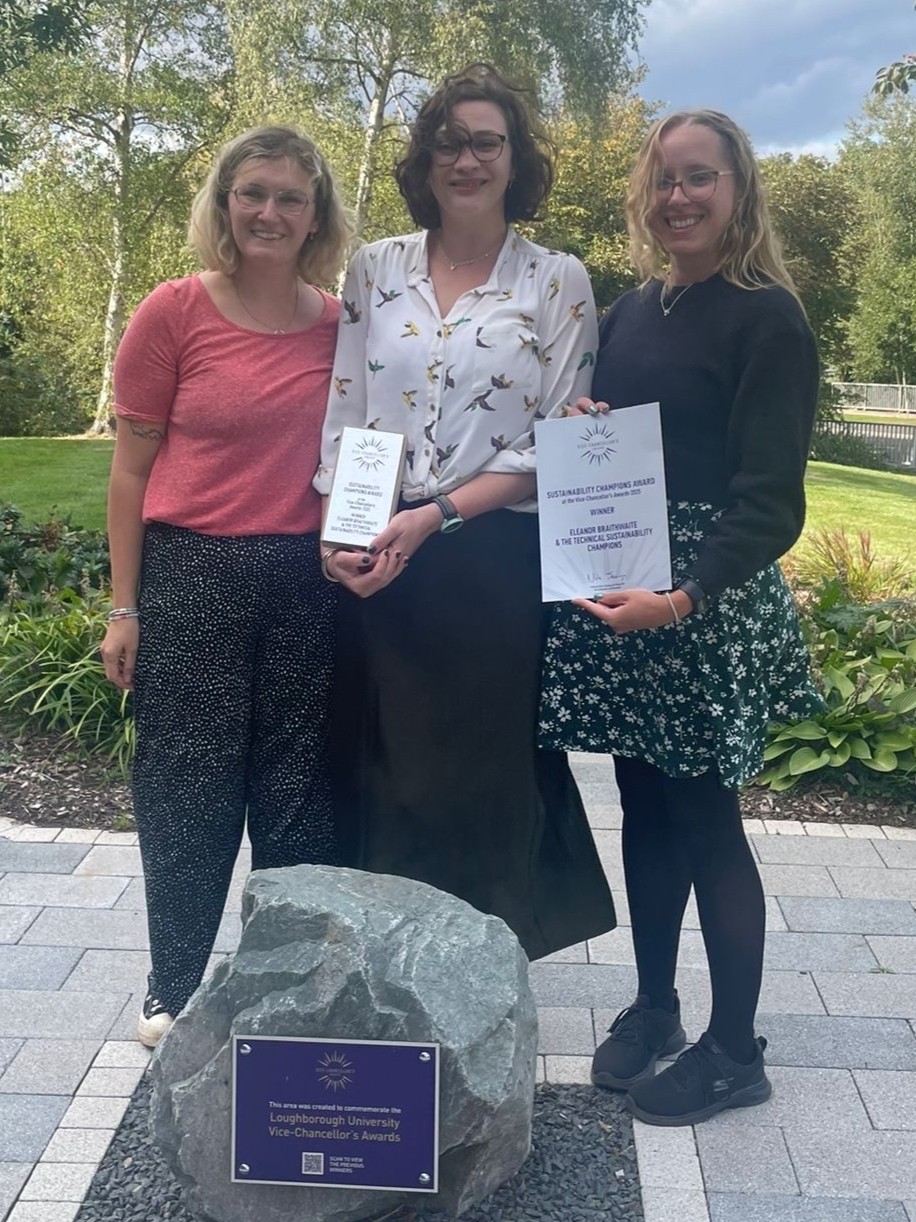
Loughborough University’s Technical Sustainability Champions Network (TSC) is spearheaded by Eleanor Braithwaite alongside technical professionals, Imogen Heaton, Rainer Fernandes, and Emma Wilson. The TSC is closely aligned with the university’s sustainability strategy and provides a link between the specialised knowledge and experiences of the technical experts on one hand and the broader strategic arm of sustainability development goals on the other.

Upcycling Polystyrene Lab Waste into Catalysts through Open Science and Co‑Creation
Laboratories worldwide generate approximately 5.5 million tonnes of single‑use plastic waste every year, with polystyrene (PS) being among the least recycled laboratory plastics due to its low density and poor economic viability for traditional recycling routes. At the same time, academic laboratories continue to seek accessible, low‑cost ways to adopt more sustainable research practices. The RECOMPENSE project (REcyclable Catalysts frOM PolystyrENe waStE) was created at University College London (UCL) in response to these challenges. What began as a research project in our MSc Sustainable Chemistry, evolved into a wider student–staff partnership focused on developing practical, reproducible methods for chemically upcycling waste PS into polystyrene sulfonic acid (PSSA), a reusable solid acid catalyst suitable for green organic synthesis. Through open‑science principles, the RECOMPENSE project (https://recompenseproject.com/) aims to provide freely accessible protocols, characterisation data, and educational resources to help institutions reduce plastic waste and embed sustainability into chemistry training.
Do we really need that many tip boxes? How a simple question can lead to greener omics
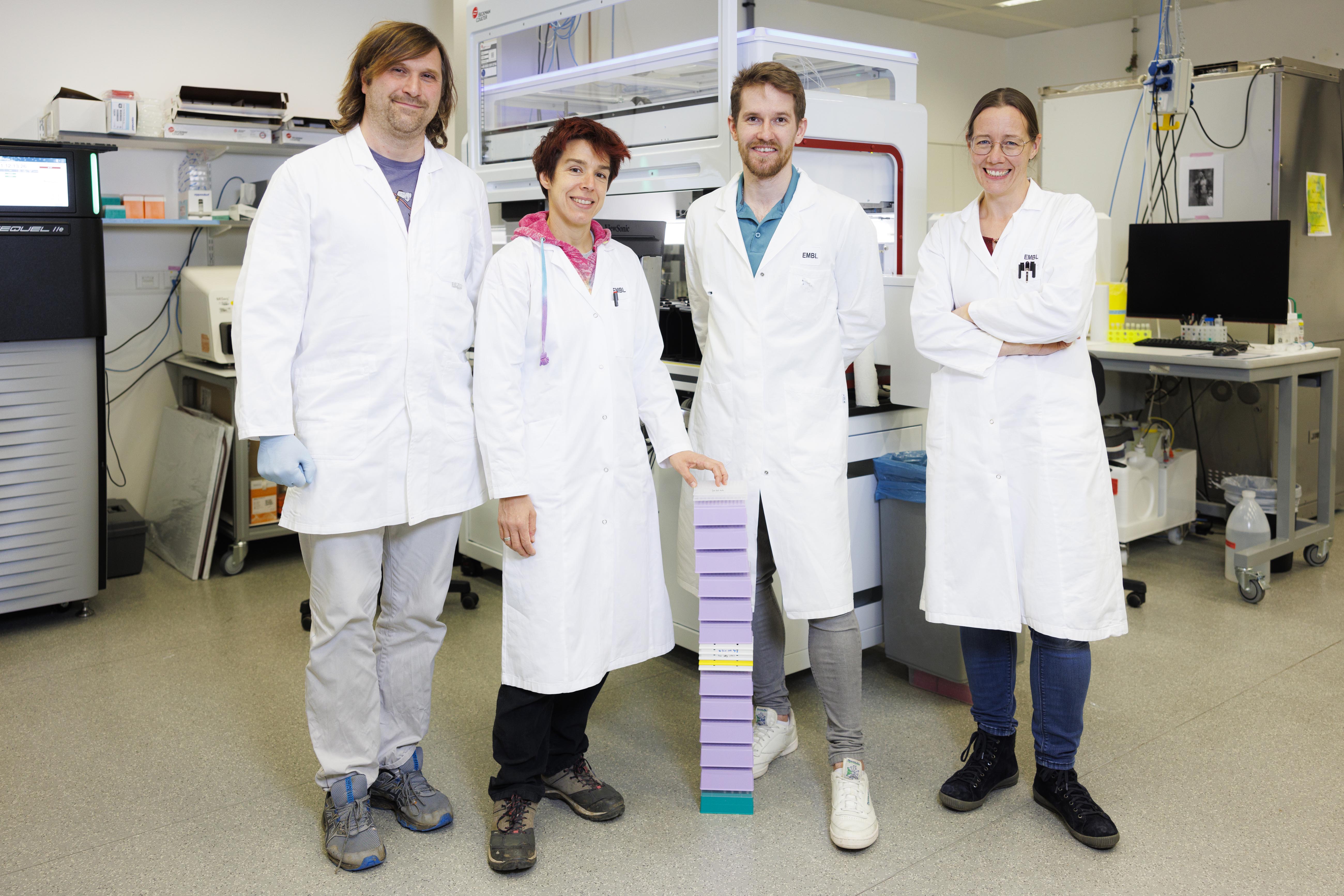
The omics era, marked by the rapid advancement of high-throughput technologies, has revolutionised the field of molecular biology, propelling forward our understanding of biological systems. This scientific revolution has opened up new avenues for human health and environmental conservation. However, it is crucial to recognise the impact it has on environmental sustainability. To put it simply, Omics research uses a lot of ‘stuff’. Together with the generation of vast amounts of data and the ever-increasing demand for computing power, the manufacturing, disposal, and maintenance of equipment and resources used in omics significantly contribute to environmental degradation. To harness the benefits of the omics era while mitigating its negative impact on the environment, researchers and suppliers must work together. EMBL’s core facilities, scientists and suppliers have collaborated to address waste generation during omics research, specifically in library preparation and related processes. Their approach focuses on optimising protocols and embracing eco-friendly techniques and equipment to minimise their environmental impact.