Now in Beta-testing on invite only

11th September 2026
Organisation: University of Basel
Authors: Carina Weingaertner
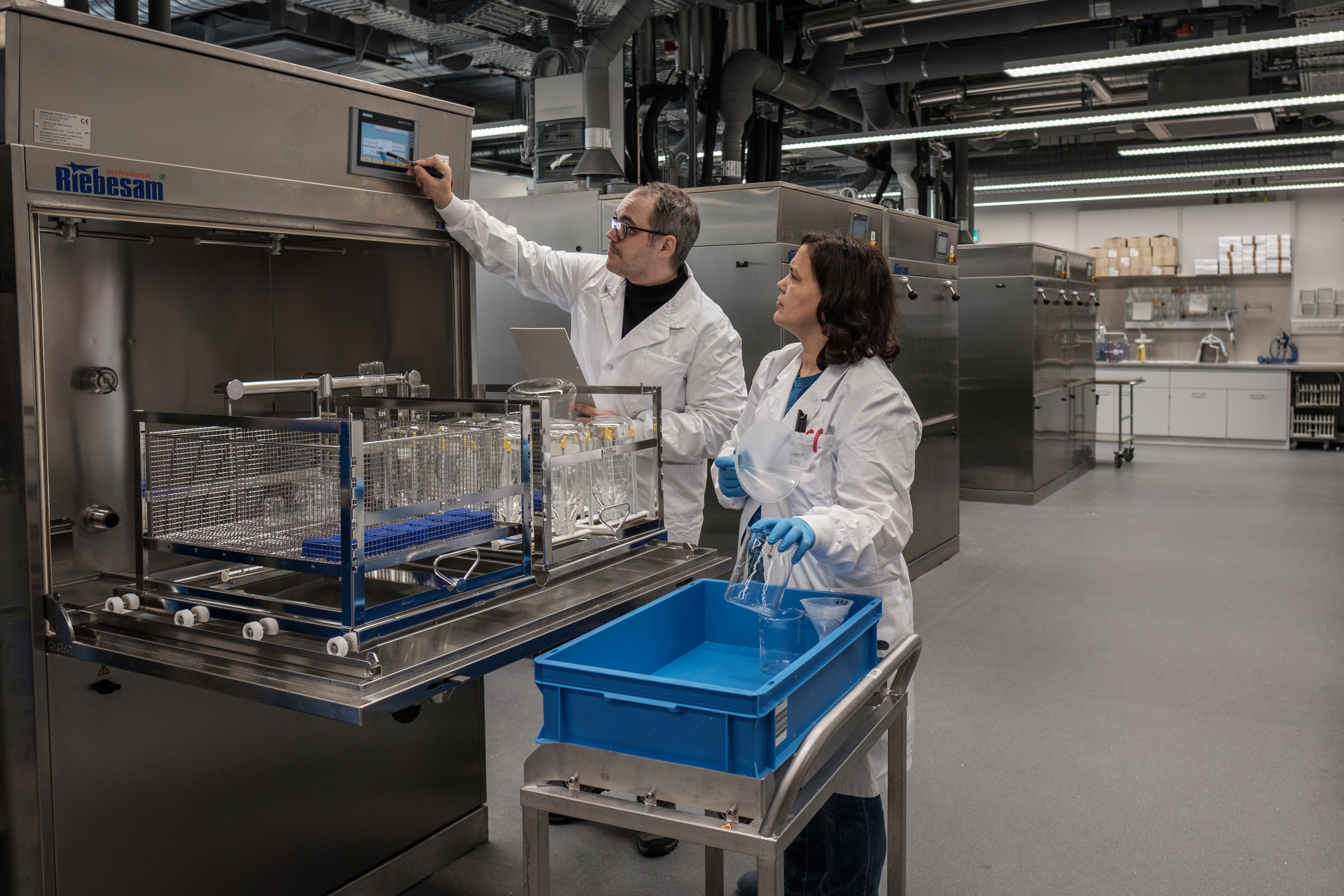
Laboratories are among the most energy-intensive spaces in universities due to the continuous operation of specialized equipment, ventilation systems, and ultra-low temperature freezers. As part of its Climate Strategy, the University of Basel has committed to reducing greenhouse gas emissions from electricity use by 25% by 2030, while also meeting external requirements for continuous improvements in energy efficiency. To explore how behavioral and operational changes could contribute to these goals without compromising scientific excellence, the University's Building Technology & Operations unit and Sustainability Office launched the Electricity Saving Challenge in November 2024. The initiative engaged research groups from the Biozentrum and the Department of Physics in a month-long campaign to identify practical opportunities for reducing laboratory electricity consumption while maintaining normal research activities.
The challenge combined real-time energy monitoring with staff engagement, friendly competition, and systematic documentation of energy-saving measures.
Approximately 150 electricity meters were installed and connected to a digital monitoring platform, allowing participating groups to visualize their electricity use in real time and evaluate the impact of their actions. About fifteen research groups participated, supported through coaching sessions, shared dashboards, logbooks, and regular communication.
Participants implemented a wide range of low-cost operational measures, including closing fume hood sashes, raising ultra-low freezer temperatures, switching off equipment when not in use, optimizing sterilization and drying processes, keeping laboratory doors closed, and introducing new team routines for end-of-day shutdown procedures.
More than 200 logbook entries documented tested interventions and their outcomes, creating a shared knowledge base for future improvements. The initiative also emphasized awareness raising by providing participants with continuous feedback on their electricity consumption and encouraging collaboration between research groups.
The Electricity Saving Challenge demonstrated that substantial electricity savings can be achieved through behavioral and operational changes alone. During the one-month campaign, participating research groups reduced their electricity consumption by approximately 8.5%.
The best-performing research teams reduced their electricity consumption by between 16% and 38%, and the challenge generated estimated electricity cost savings of around CHF 4,000 for the month.
Importantly, these reductions were achieved without disrupting research activities or limiting scientific work. Beyond the measurable energy savings, the initiative increased awareness of laboratory energy use, identified numerous opportunities for future optimization, and established a culture of shared responsibility for sustainable laboratory operations across participating departments.
The challenge highlighted that the greatest opportunities for reducing laboratory electricity consumption often lie in everyday operational practices rather than costly technological investments. Measures with the largest and most consistent impact included minimizing standby power, unplugging unused equipment, using timers, optimizing freezer temperatures, closing fume hood sashes and laboratory doors, and embedding sustainable routines into daily laboratory practice.
Equally important was the availability of detailed, real-time monitoring, which helped participants understand the effects of their actions and strengthened engagement. At the same time, the project showed that identifying clear cause-and-effect relationships requires sufficiently granular metering infrastructure and continuous data collection.
he experience demonstrated that combining technical monitoring with behavioral change, peer learning, and institutional support can produce measurable reductions in laboratory energy use while preserving research quality, providing a scalable model for sustainable laboratory management at research-intensive universities.